

Sbliumation Printing Company for Custom Apparel and Teamwear USA
Bring detailed artwork to life on apparel built for teams, brands, events, and active lifestyles. We manage artwork preparation, fabric selection, color control, sampling, production, and inspection, keeping your approved design consistent from digital file to finished garment with organized manufacturing support.
Custom Sublimation Apparel Built for Brands, Teams, and Events
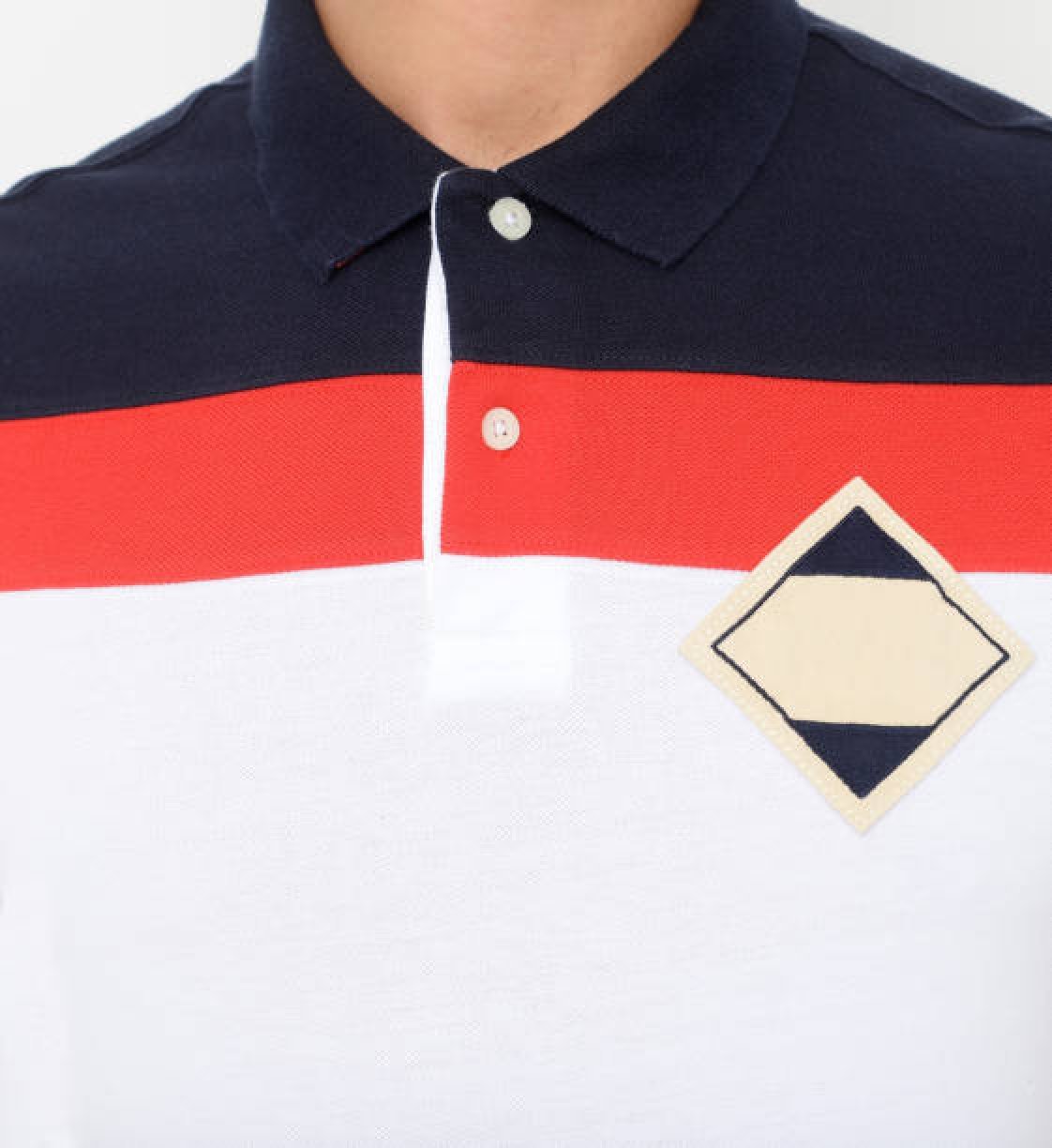
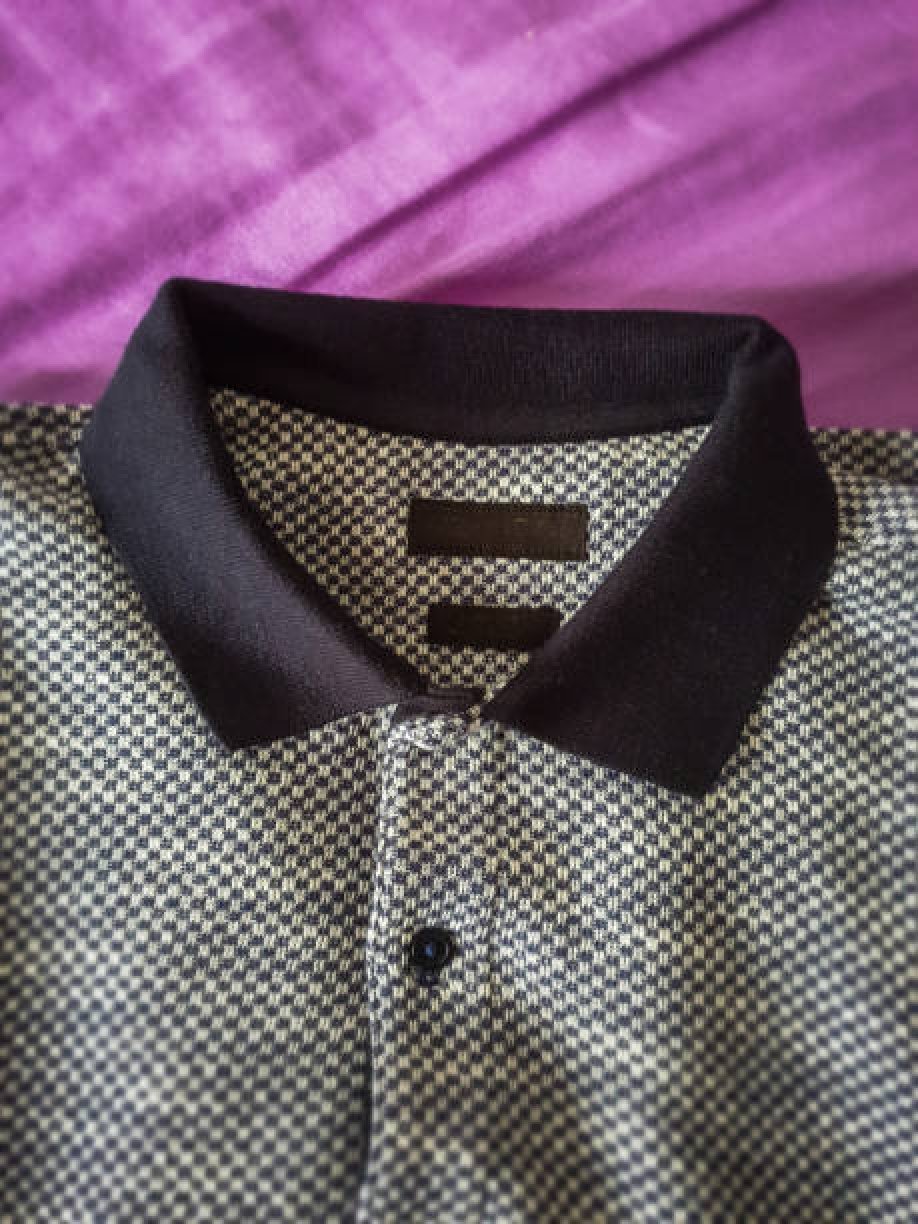
Custom sublimation apparel gives your artwork room to work across complete garments, panels, sleeves, fronts, backs, and coordinated pieces. Detailed graphics, gradients, photographs, patterns, names, numbers, and sponsor artwork can become part of compatible fabric rather than sitting heavily on its surface. Our process covers artwork review, fabric selection, digital preparation, proofing, sampling, production, inspection, and packing. We work with brands, teams, organizations, and businesses that need visually detailed apparel with a consistent appearance. Every approved specification becomes part of the production reference, helping reduce avoidable differences between samples and finished orders while keeping your project organized from the first design discussion through final delivery and repeat production.
Turn artwork into vivid apparel with controlled placement, detailed graphics, coordinated colors, and production-ready specifications designed around your garment requirements and intended use.
Custom Sublimation Printing for Detailed Apparel and Brand Graphics
Athletic and Team Sportswear
- Breathable performance fabrics
- Full-color team graphics
- Player names and numbers
- Coordinated uniform collections
All-Over Fashion
- Full-panel graphic coverage
- Repeat pattern artwork
- Bold color combinations
- Fashion-focused garment styles
Rigid Substrates
- Promotional product graphics
- Detailed surface artwork
- Durable printed applications
- Branded product decoration
Dye Sublimation Printing Services for Detailed Custom Apparel
Dye sublimation printing services are useful when your design needs detailed graphics, gradients, photographs, multiple colors, or broad coverage across compatible garments. The process transfers color into suitable synthetic fibers, creating a lightweight finish without adding a thick printed layer over the surface. This makes it particularly useful for sportswear, teamwear, event apparel, cycling pieces, and graphic-focused collections. Before production, artwork, fabric composition, garment construction, measurements, placement, and color requirements should be reviewed together. If your project depends heavily on cotton, specialty textures, or a raised surface effect, another technique may be more appropriate. The right method depends on artwork complexity, fabric, garment purpose, durability expectations, order quantity, and the final customer experience you want to create.
Make Every Design Count With Color That Becomes Part of Fabric
Great artwork deserves a production process that respects every detail. We connect file preparation, fabric selection, color review, sampling, and quality checks so your finished garments stay aligned with the approved design. From one collection to recurring team orders, every project receives clear specifications and practical checkpoints throughout production.
Custom Fabric Categories for Reliable Sublimation Apparel Results
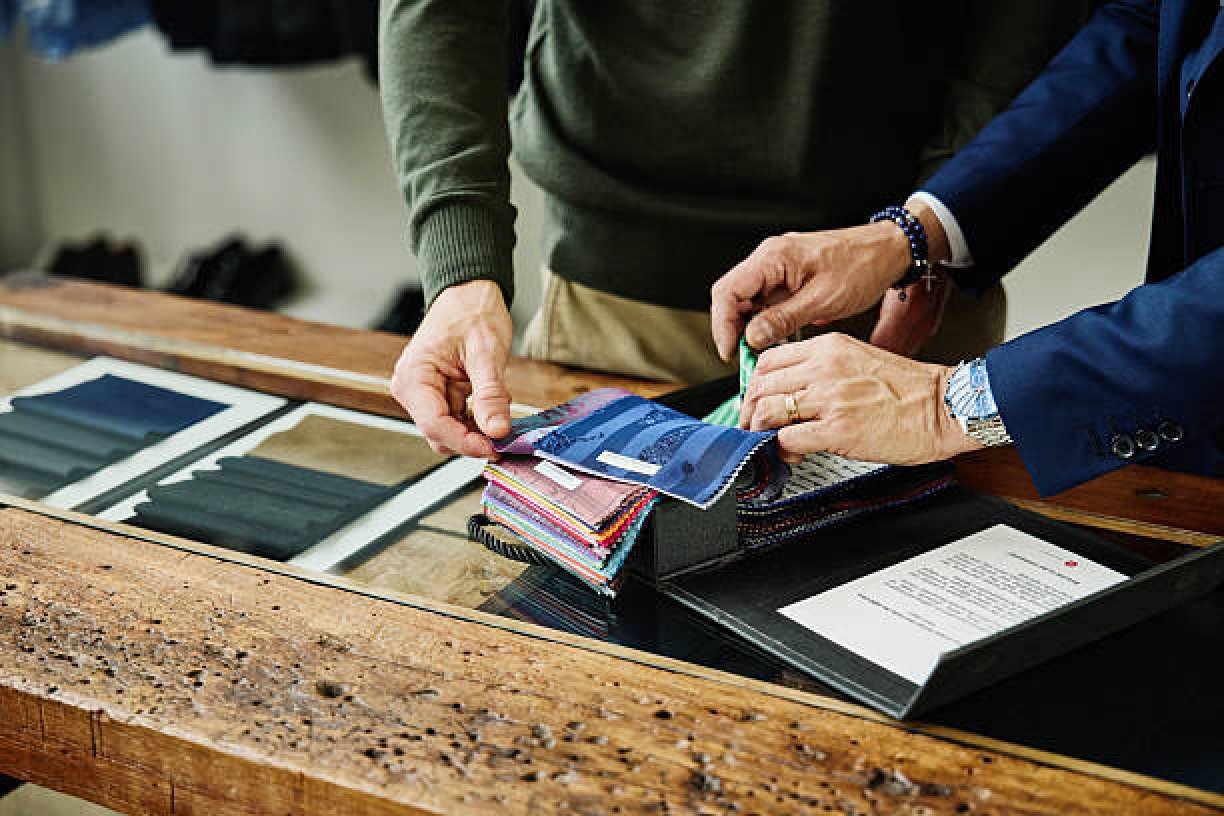
Fabric affects color, comfort, stretch, structure, and finished appearance. We help match each material with your artwork, garment purpose, performance needs, and production requirements before approval.
.
100% Polyester
100% polyester is widely selected for sublimation because its fibers accept transferred dyes effectively. It supports vivid colors, detailed graphics, and broad artwork coverage while remaining suitable for many performance garments. Choose the appropriate weight, stretch, and construction according to your intended product, customer, and usage conditions.

Choose Polyester
French Terry
French terry offers a smooth outer surface with looped construction inside, creating a comfortable option for selected apparel. Its composition and surface can influence printing results, so compatibility should be reviewed before production. We consider weight, stretch, garment construction, and artwork requirements when assessing this fabric.
Explore French Terry
Interlock Knit
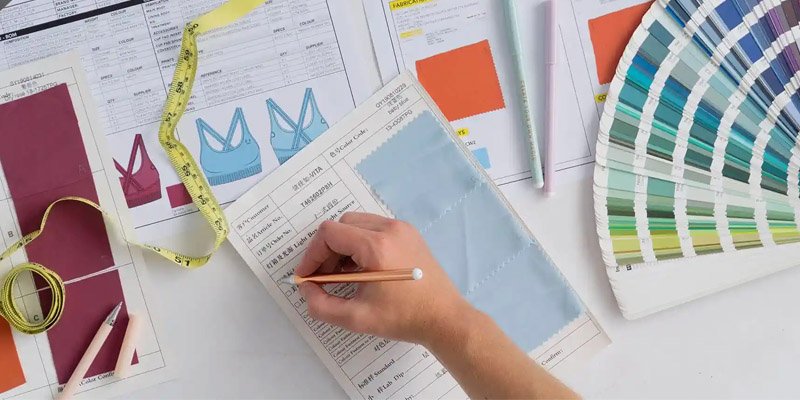
Interlock knit provides a smooth face, stable construction, and comfortable stretch for suitable apparel applications. Its balanced structure can work well where softness and shape retention matter. We review composition, GSM, stretch, artwork coverage, and garment purpose before confirming whether the material fits your production requirements and final product expectations.
Review Interlock Knit
Birdseye Mesh
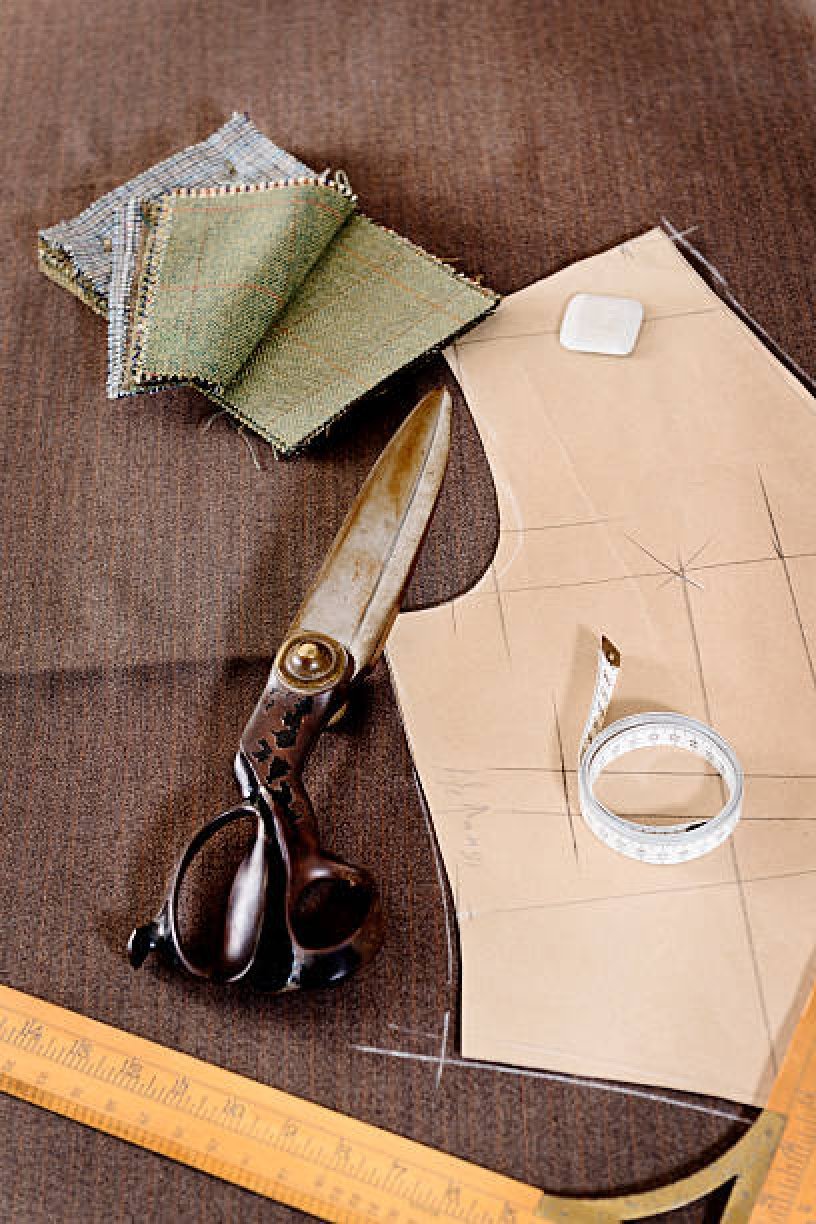
Birdseye mesh offers lightweight construction and airflow for sports-focused garments. Its textured surface can affect artwork appearance, making material evaluation important before production. We review composition, weight, stretch, graphic coverage, and garment construction together so your chosen fabric supports both visual requirements and intended performance without unnecessary compromises.
Select Birdseye Mesh
Micro Mesh
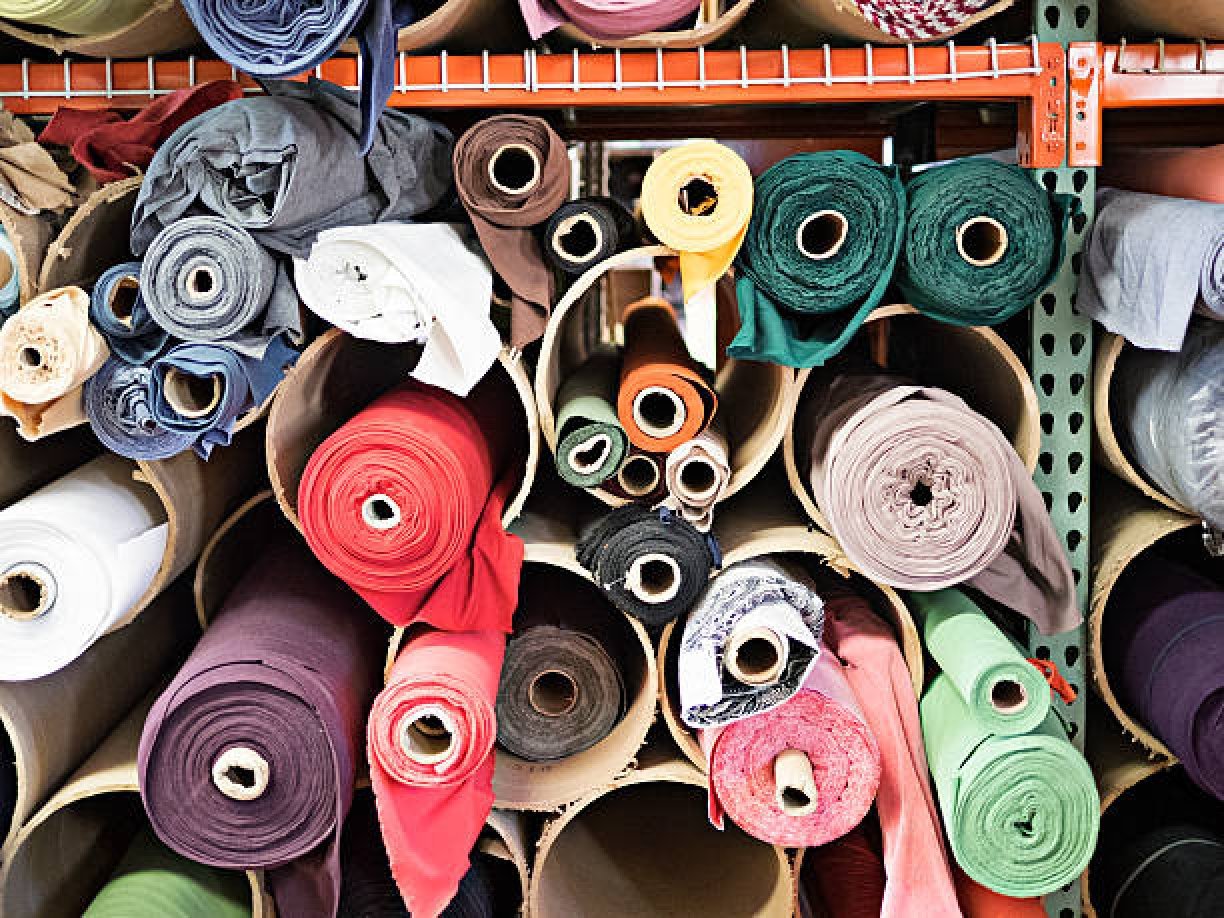
Micro mesh provides fine openings and lightweight construction for garments where airflow and comfort are important. It can suit training apparel, athletic pieces, and warm-weather collections. We assess its composition, weight, stretch, surface, and artwork requirements before approval to establish a suitable production direction for your finished garments.
Discuss Micro Mesh
Tricot
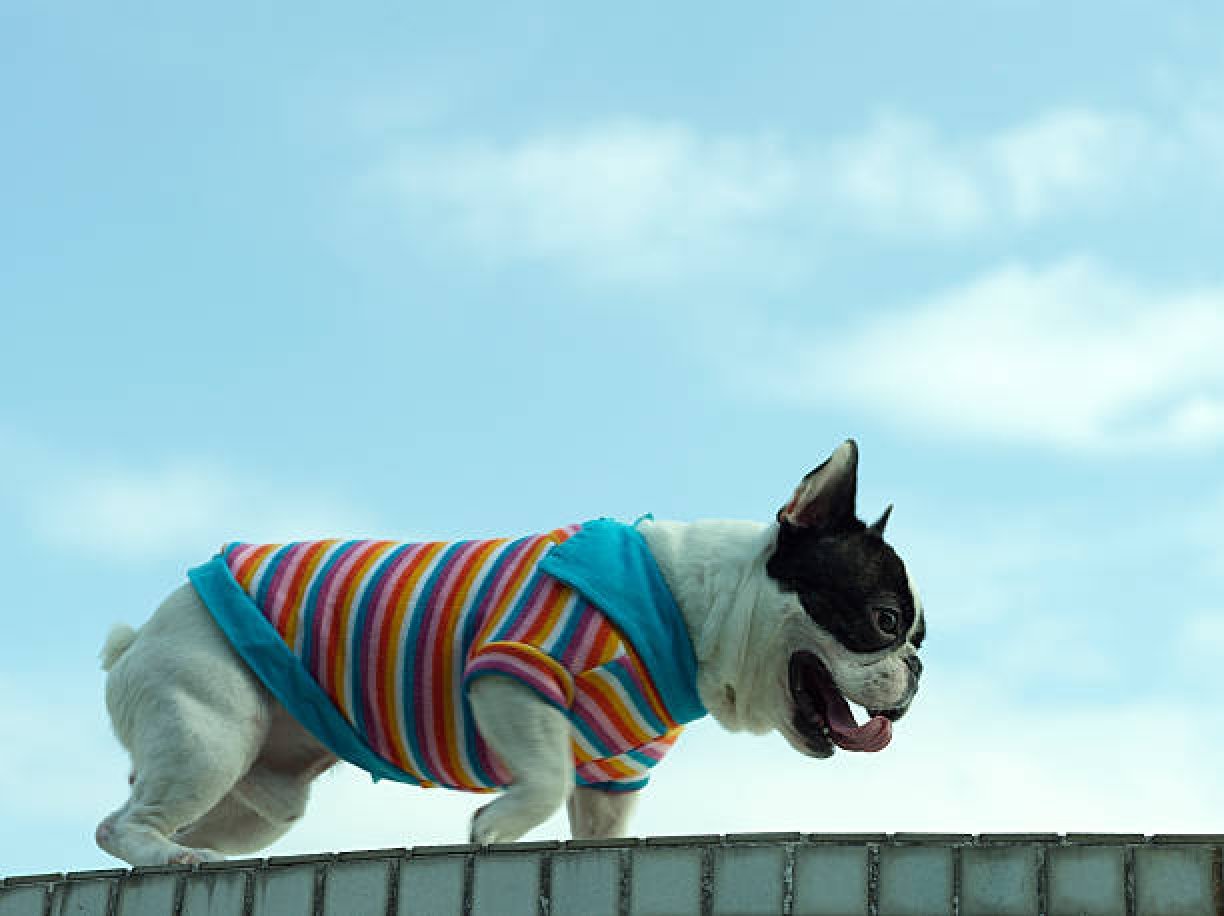
Tricot has a smooth, stable construction often associated with sportswear and track-focused garments. Its weight, composition, and surface can influence color appearance and garment behavior. We review the specific specification alongside artwork, construction, stretch, and intended use before confirming the material for production and sampling requirements.
Choose Tricot

Jersey Knit
Jersey knit provides comfortable flexibility for selected apparel categories and can create a soft garment feel. When the composition suits the process, it can carry detailed graphics effectively. We review weight, stretch, fiber content, artwork, and intended application together before approving the fabric for sampling and production.
Explore Jersey Knit
Poly-Coated
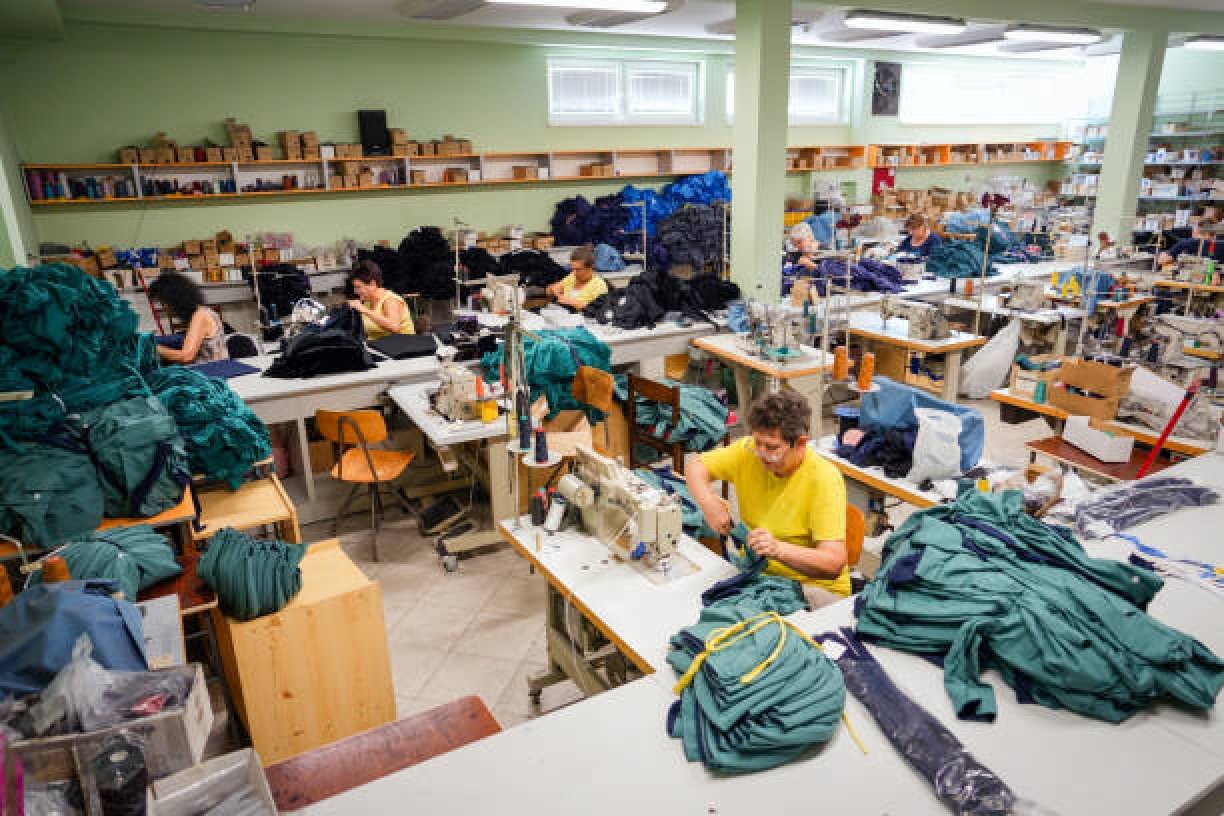
Poly-coated materials provide a treated surface for selected structured or functional products. Because coatings can affect decoration compatibility and handling, material testing is valuable before production. We assess the coating, surface, artwork, durability expectations, construction, and intended application before confirming whether the material fits your project and final product requirements.
Review Poly-Coated Options
Neoprene
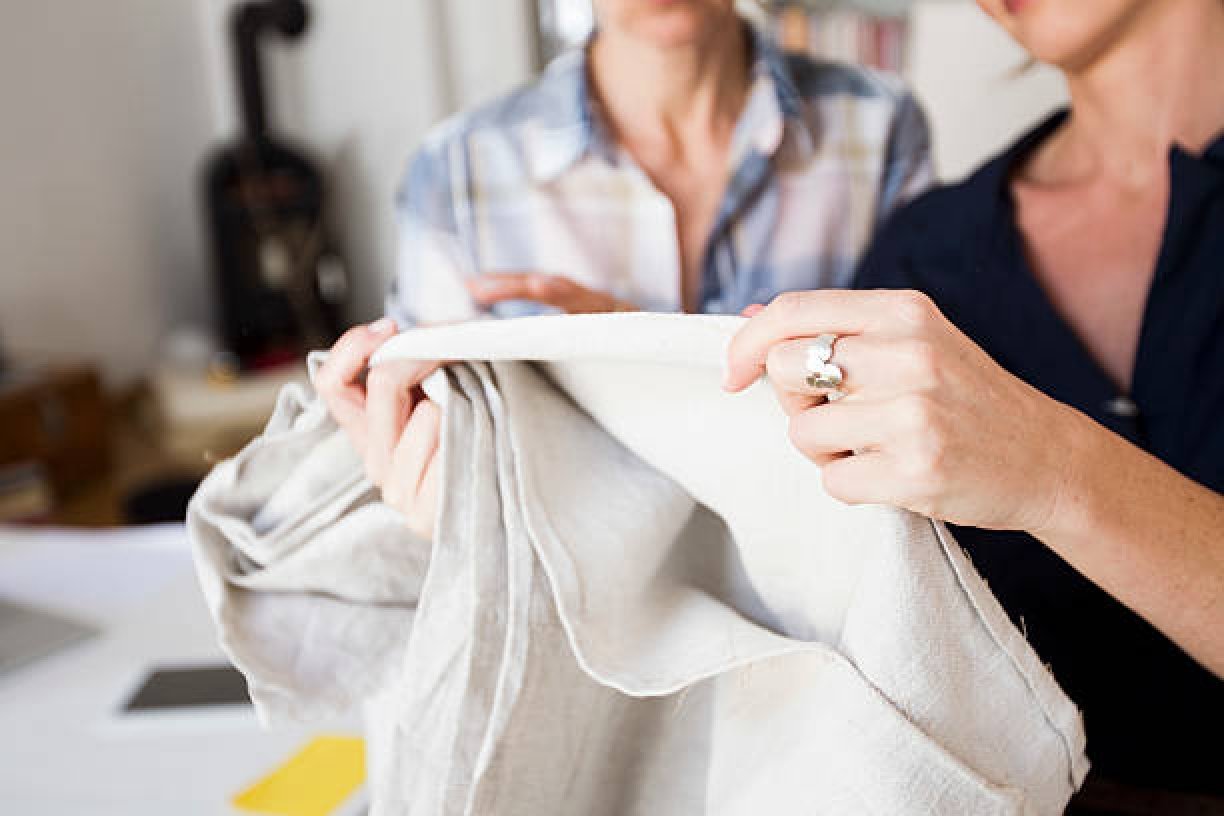
Neoprene provides thickness, structure, and a distinctive hand feel for suitable products and accessories. Its construction requires careful consideration of artwork, seams, cutting, dimensions, and finishing. We review the material against your intended product, graphic requirements, construction details, and performance expectations before confirming the production approach for sampling.
Explore Neoprene

Printing Techniques Matched to Your Artwork and Apparel Requirements
Different techniques create different visual and tactile results. We assess artwork, fabric, placement, durability, and intended use before selecting the appropriate production method for your collection.
Full-Color Sublimation
Full-color sublimation suits artwork containing gradients, photographs, complex patterns, multiple colors, names, numbers, and broad garment coverage. Artwork is prepared digitally before transfer, with placement and sizing checked against the garment pattern. Fabric composition must be compatible, making material selection an early production decision. We review resolution, bleed, color direction, panel alignment, and important design elements before sampling. The approved sample becomes a visual benchmark for production, helping maintain consistent placement and color direction across garments. This method works well for teamwear, performance apparel, event collections, cycling pieces, and fashion garments where strong visual coverage is central to the design. Each project follows documented artwork and garment specifications before bulk production begins.
Approve Your Printing Method
How We Work From Artwork Approval Through Finished Apparel
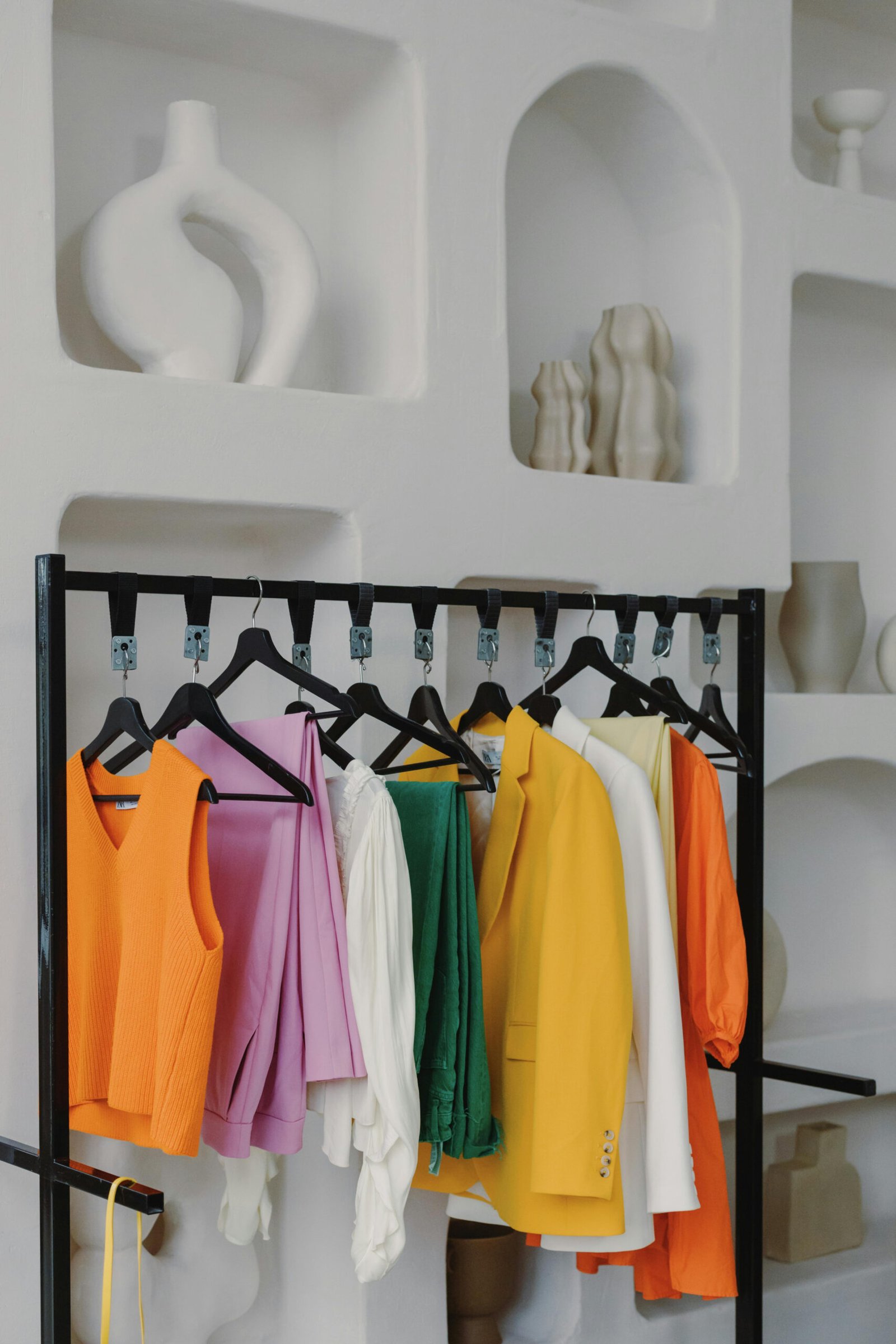
Your project moves through defined checkpoints covering artwork, proofing, visualization, sampling, production, inspection, and packing, keeping decisions documented throughout every stage.
Print-Ready File
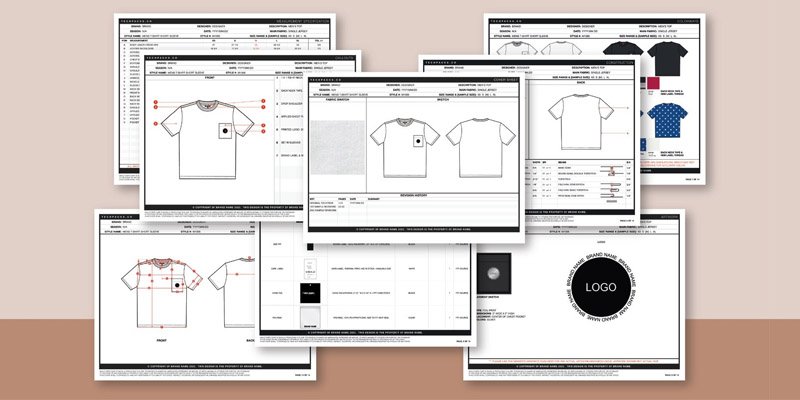
Submit artwork with suitable resolution, dimensions, format, color references, bleed, and placement details so production preparation begins correctly.
Art Proof
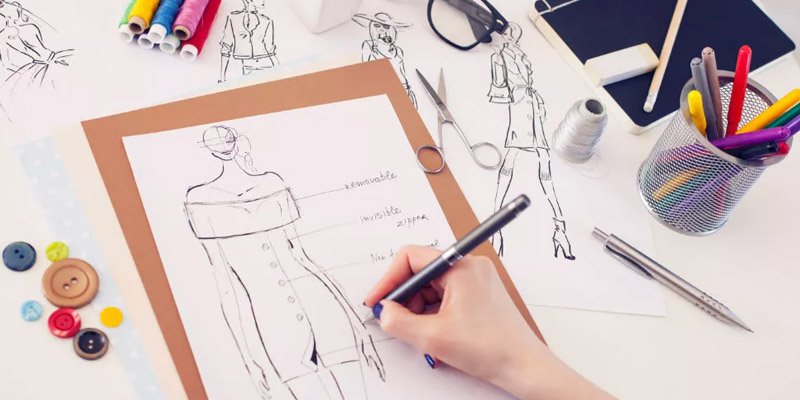
We review artwork positioning, scale, panel coverage, colors, and important design details before approval, creating a clear production reference.
Digital Mockup
A digital mockup shows expected artwork placement across the garment, helping identify scale, alignment, and visual issues before sampling begins.
Strike-Off
A strike-off provides a physical reference for reviewing color and appearance before larger production quantities move forward under approved specifications.
How We Work From Artwork Approval Through Finished Apparel
Your project moves through defined checkpoints covering artwork, proofing, visualization, sampling, production, inspection, and packing, keeping decisions documented throughout every stage.
Print-Ready File
Submit artwork with suitable resolution, dimensions, format, color references, bleed, and placement details so production preparation begins correctly.
Art Proof
We review artwork positioning, scale, panel coverage, colors, and important design details before approval, creating a clear production reference.
Digital Mockup
A digital mockup shows expected artwork placement across the garment, helping identify scale, alignment, and visual issues before sampling begins.
Strike-Off
A strike-off provides a physical reference for reviewing color and appearance before larger production quantities move forward under approved specifications.
Custom Apparel Categories for Teams, Events, and Sports Collections
Develop coordinated apparel around your artwork, garment type, fabric, measurements, colors, and production requirements, with specifications documented before manufacturing begins.
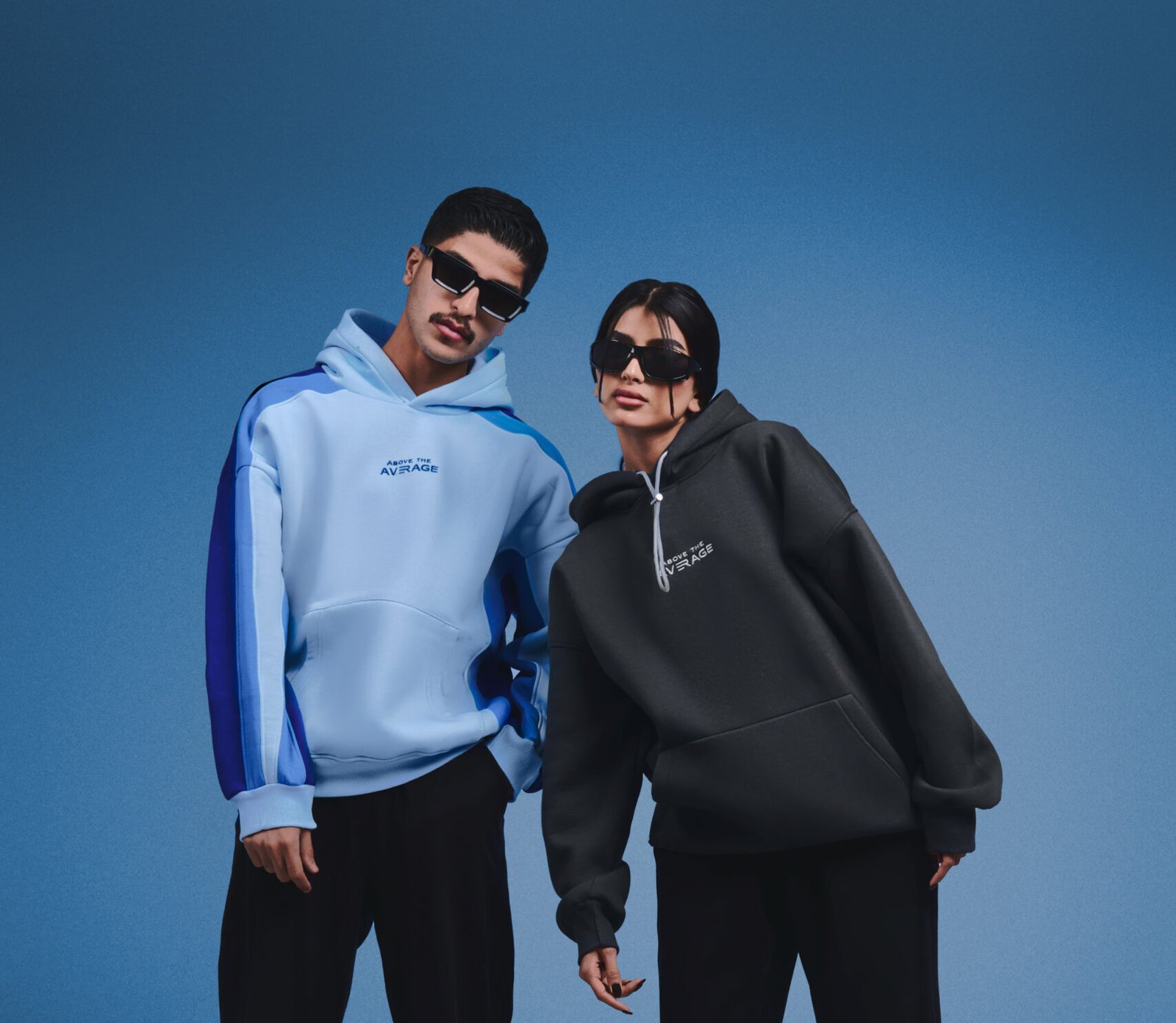
Custom Jerseys
Create detailed jerseys featuring team graphics, names, numbers, sponsor placements, and coordinated colors for competitive or recreational collections.
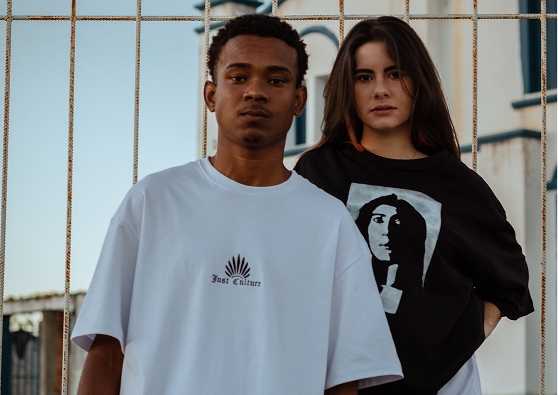
Team Uniforms
Build coordinated uniforms around approved artwork, player information, garment specifications, sizing, and consistent colors across complete team orders.
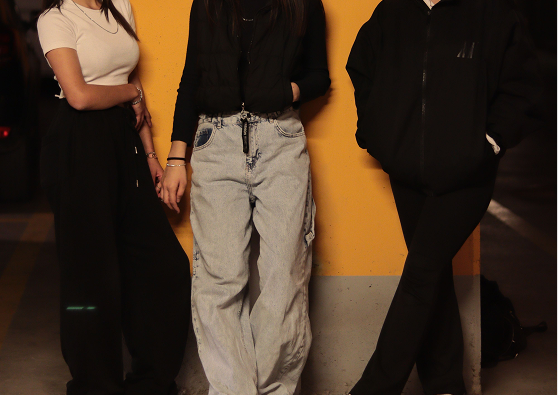
Sports Uniforms
Develop sports uniforms using performance-focused fabrics, detailed graphics, coordinated sizing, and construction suited to active movement.
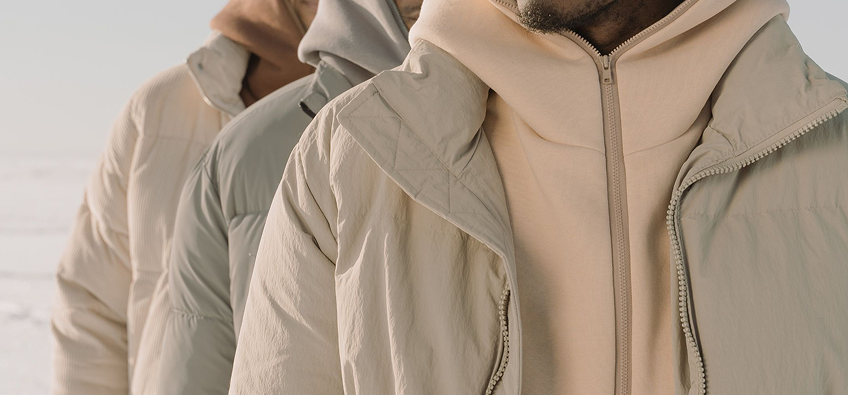
Spirit Wear
Turn team identity into coordinated fan apparel featuring bold graphics, recognizable colors, names, numbers, and collection-specific branding details.
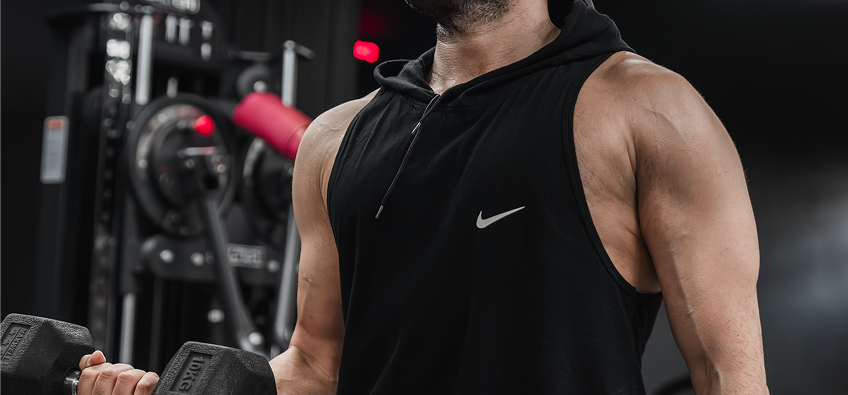
Cycling Kits
Develop cycling kits around performance materials, rider details, sponsor graphics, fitted silhouettes, and carefully positioned artwork for complete team presentation.
A structured production path keeps artwork, fabrics, samples, quantities, quality checks, packaging, and delivery requirements connected throughout the project from beginning to end.
How We Work From Your First Artwork File to Final Shipment
[01]
Artwork and Requirements
We review artwork, garment styles, measurements, fabrics, quantities, color direction, placement requirements, packaging, and delivery expectations before development begins.
[02]
Proofing and Sampling
Artwork is prepared for production, proofs are reviewed, digital visuals are checked, and samples are developed against approved project specifications.
[03]
Production and Quality Review
Approved references guide production while checks review artwork placement, measurements, construction, color appearance, quantities, and workmanship throughout manufacturing.
[04]
Final Inspection and Delivery
Finished garments receive final inspection before folding, packing, carton preparation, shipment documentation, and delivery arrangements are completed according to requirements.
Why Choose Tack Apparel for Consistent Sublimation Apparel
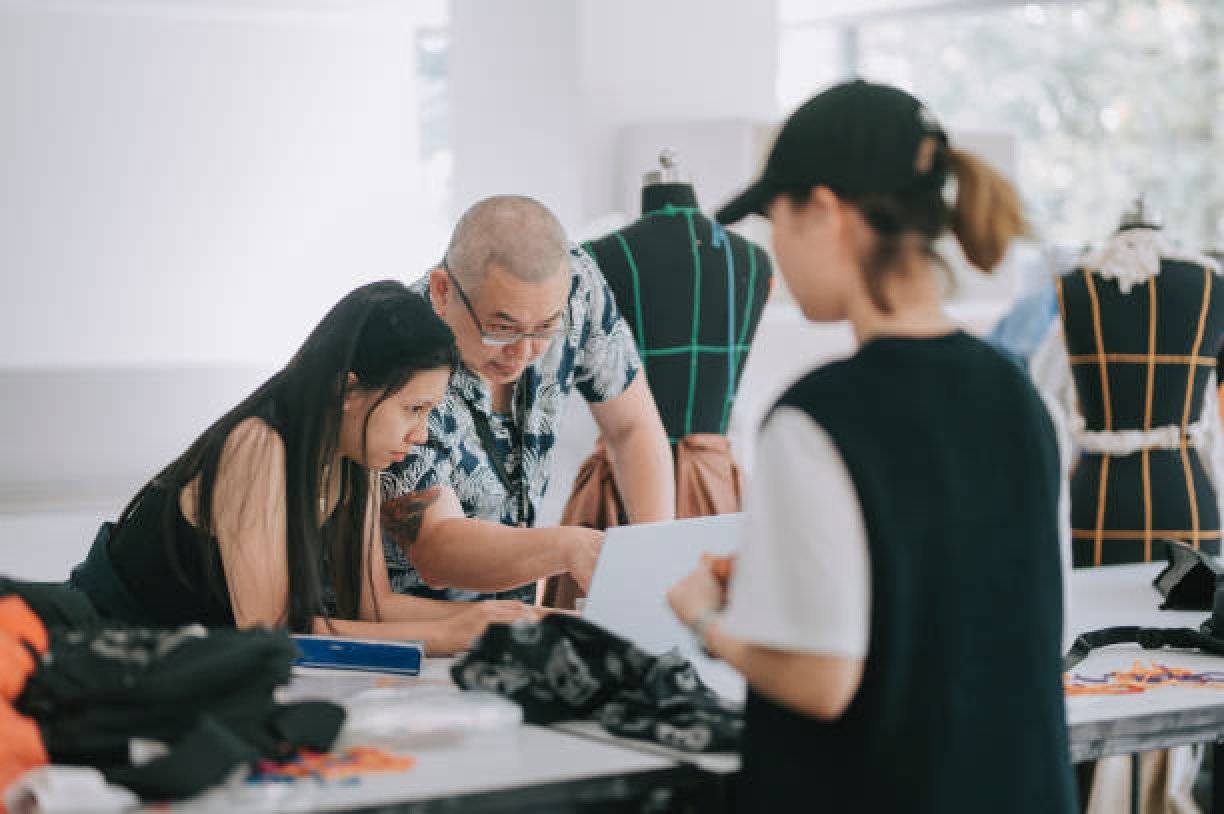
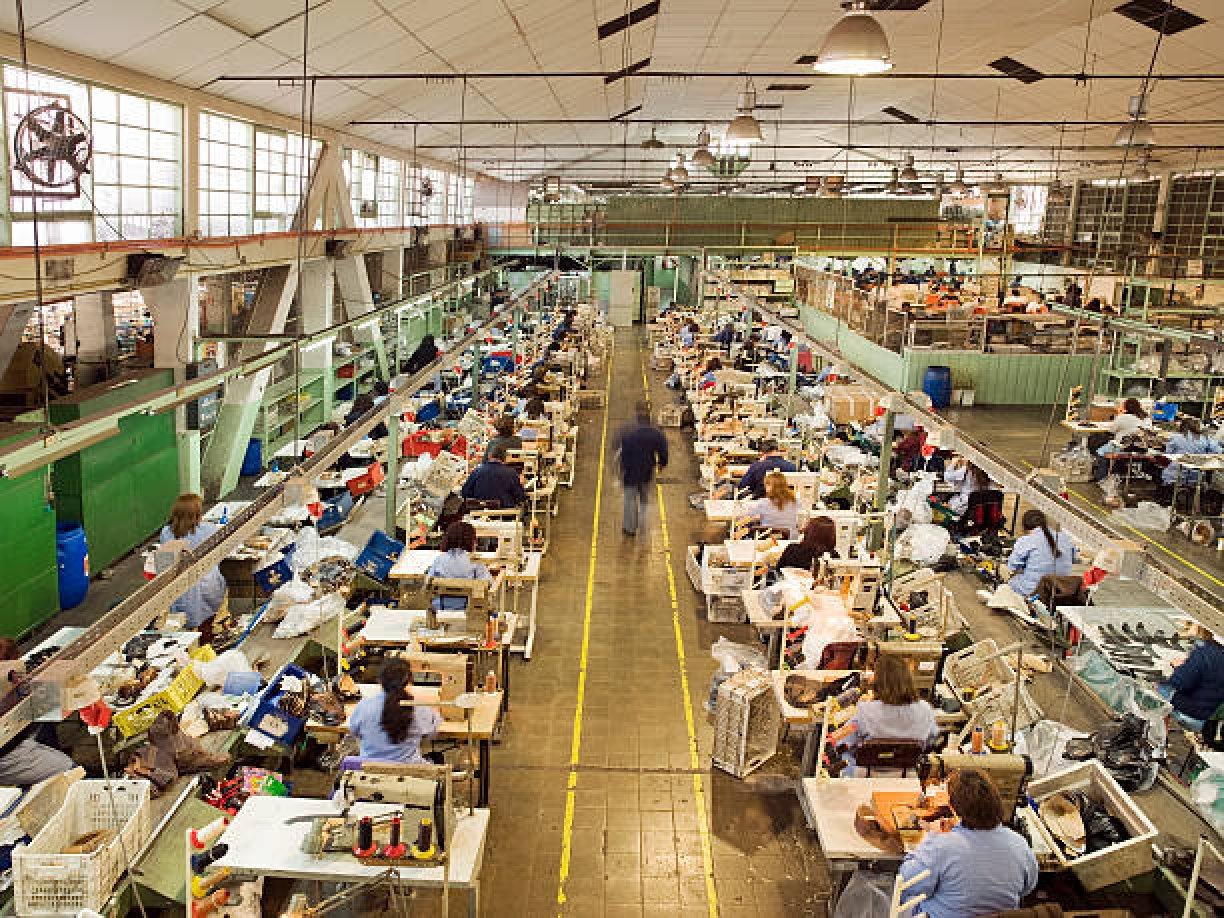
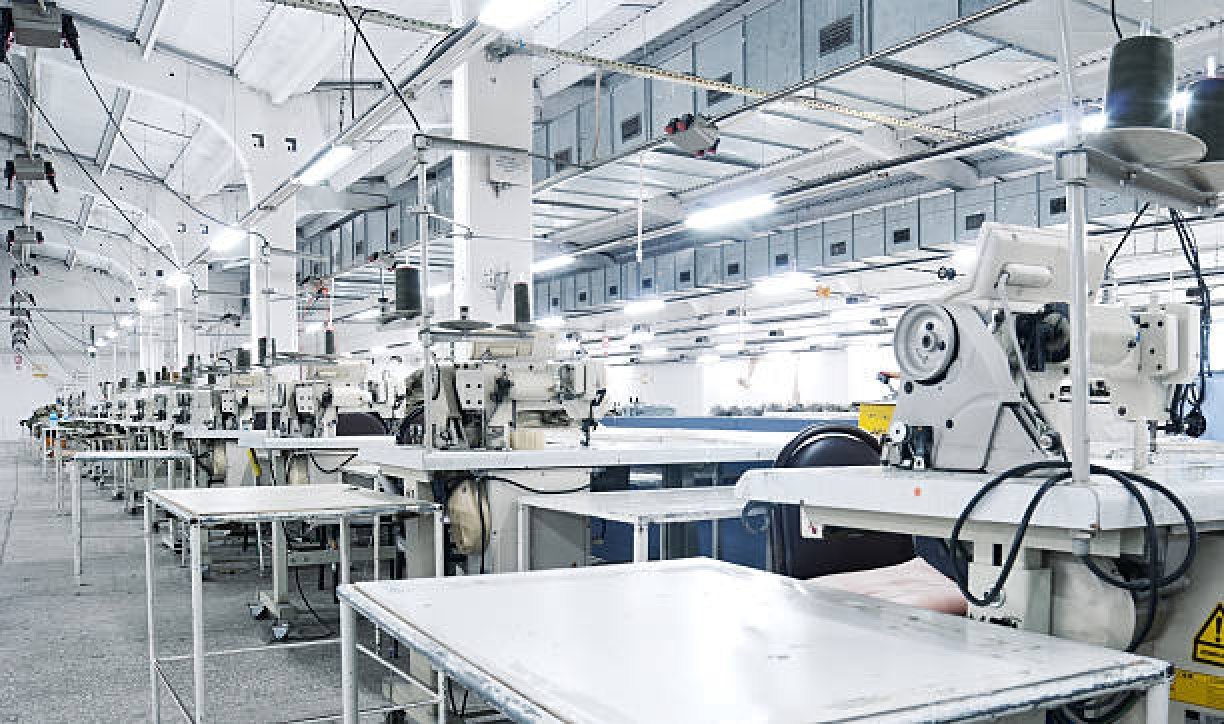
Tack Apparel connects artwork preparation, fabric selection, proofing, sampling, production, and inspection through one organized workflow. Approved references guide each stage, helping reduce avoidable differences between development and finished garments while giving brands clearer visibility before shipment and repeat orders.
Color Matching
Artwork colors are reviewed against approved references to maintain consistency across garments, panels, and repeat production orders.
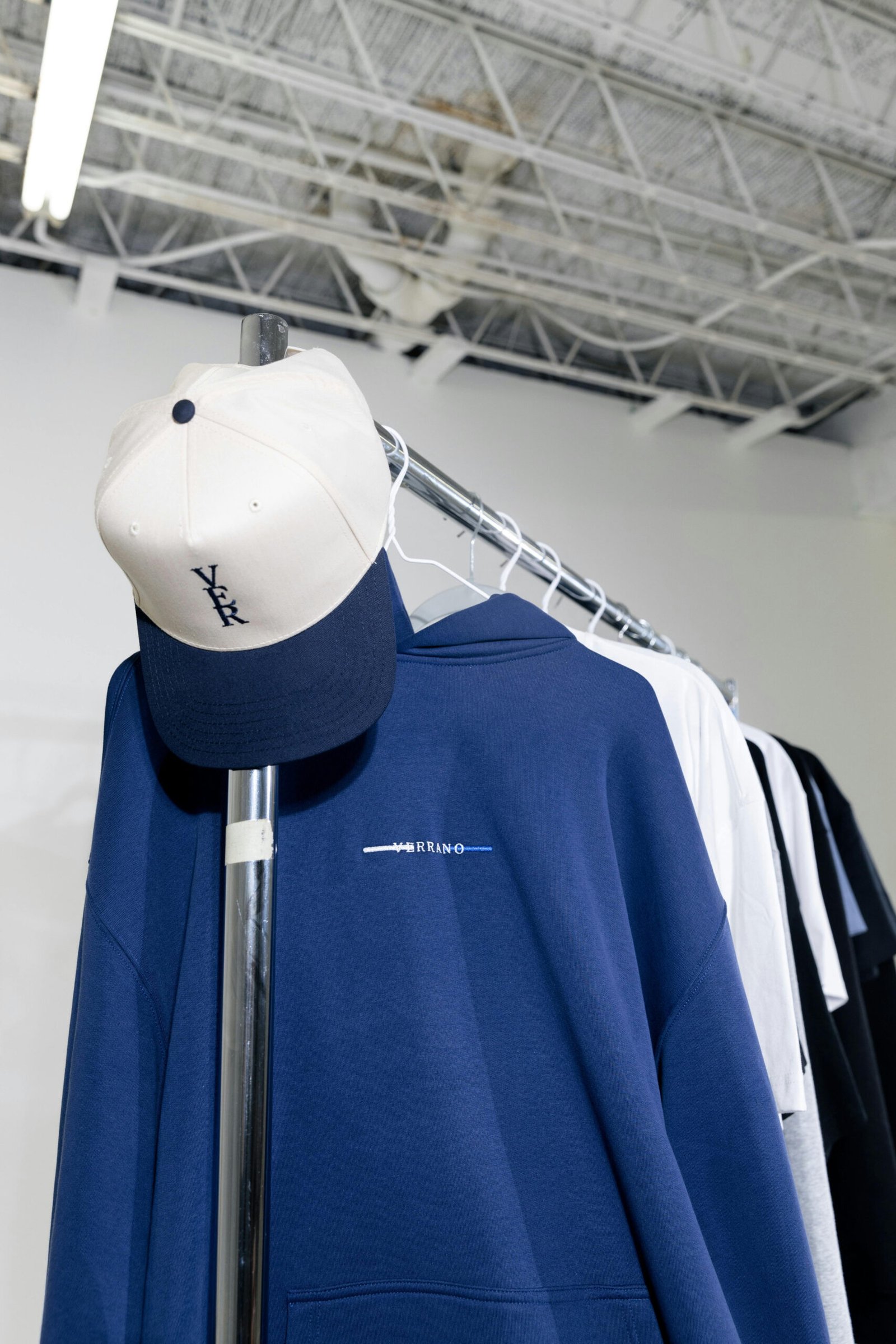
Pantone Match
Pantone references provide a defined color target when accurate brand color communication matters throughout artwork preparation and production.
Wash Durability
Wash durability checks help assess how garments and printed graphics perform under expected care conditions before larger production quantities.
Colorfastness
Colorfastness checks evaluate whether colors remain stable during laundering and handling according to garment and material requirements.
Fade Resistance
Fade resistance considerations help assess how colors respond to repeated washing, wear, light exposure, and expected product use.
Crocking
Crocking checks assess whether color transfers through rubbing, helping identify potential issues during garment handling and everyday wear.
How Tack Apparel Raises the Standard in Apparel Workflow
| Main Category | Product Planning | Garment Production | Order Completion |
|---|---|---|---|
| Design & Brief | Review artwork, measurements, references, and requirements | Confirm fabrics, colors, quantities, and construction | Confirm +shipment requirement |
| Product Development | Prepare artwork, materials, proofs, and samples | Finalize approved production references | Organize final order details |
| Manufacturing | Confirm production requirements | Print, cut, sew, assemble, and finish | Complete production quantities |
| Quality Review | Review approved specifications | Print, cut, sew, assemble, and finish | Conduct final inspection |
| Client Checkpoint | Confirm artwork and sample direction | Review agreed production requirements | Confirm final production status |
| Final Delivery | Complete final product touchups | Verify final garment specifications | Pack and deliver finished garments |
Explore Previous Work Across Custom Apparel and Teamwear Projects
Explore completed projects featuring detailed graphics, team identities, coordinated colors, performance fabrics, and carefully prepared production references. Our gallery shows how artwork moves from digital preparation into finished garments through sampling, manufacturing, quality review, and final presentation with consistent production control.
- Every design receives a free artwork review to ensure embroidery quality before you invest in production.
- Every design is hand-digitized by experts and verified with a physical sample before bulk production begins.
- Your stitch file is securely stored, making every reorder fast, consistent, and free from additional digitizing setup costs.
The Custom Wear Starts With the Print
Frequently Asked Question
Real questions from real brand owners. We get asked these constantly, so we put the answers right here. If your question is not on the list, send it to us directly, and someone will respond the same day.
Traditional dye sublimation works best on white or light-colored polyester because the dye bonds with polyester fibers under heat. Cotton does not provide the same bonding surface, so standard sublimation is not suitable for cotton garments. If your design requires cotton, alternative printing methods can be considered based on the fabric, artwork, color, and desired finish.
Screen colors are displayed through light, while sublimation uses physical dyes transferred into fabric, so the final result can look different. Fabric composition, printer settings, ink profiles, transfer temperature, pressure, and pressing time can all affect color intensity. Using the correct polyester fabric and calibrated production settings helps produce stronger, more consistent results.
Pantone references provide a useful target for color development, but sublimation results can vary depending on the fabric, ink, printer, and production conditions. We use your approved color references to develop the closest practical match and review the result against the intended design. For critical brand colors, sampling and approval before bulk production are recommended.
The minimum order depends on the garment type, fabric, artwork requirements, sizing, quantity, and overall production scope. Your quotation can be based on the complete project rather than simply the printing process, allowing the requirements for garments, printing, finishing, and other agreed production elements to be considered together. Share your design and quantity for an accurate quote.
Color consistency starts with documenting the approved artwork, production specifications, fabric details, and color references. Keeping these references connected to your production information gives future orders a clear starting point. Because fabric batches and production conditions can vary, approval references and controlled production settings are important when maintaining consistency across repeat sublimation orders.
When sublimation is performed correctly on suitable polyester fabric, the dye becomes part of the fiber rather than sitting as a separate layer on top. This gives the print strong resistance to cracking, peeling, and flaking. Actual longevity depends on fabric quality, production conditions, garment use, and washing practices. Following the recommended care instructions helps preserve the finished garment.
Turnaround depends on the garment, quantity, artwork complexity, sampling requirements, and production schedule. Rush production may be possible for certain projects depending on current capacity and material availability. The fastest way to confirm timing is to provide your artwork, garment requirements, quantity, and required delivery date so the production schedule can be assessed accurately.
Tack Apparel works with manufacturing and production teams according to the requirements of each project rather than presenting itself simply as a print broker. Your order can be managed around the specified garment, sublimation, quality requirements, and production needs. During the quotation process, you can discuss your preferred production setup, quantities, specifications, and delivery requirements with the team.
Trusted by Brands Worldwide
The strongest proof of our work comes from the brands we’ve helped grow. From startups launching their first collection to established labels expanding product lines, our focus remains the same: delivering quality products and dependable manufacturing support.
We needed a complete team collection with detailed graphics, player names, numbers, and coordinated colors. The artwork review helped us catch placement issues before production, and the finished jerseys followed the approved direction closely. The process was organized from sampling through final packing, which made our repeat order easier to plan and manage.
Our project included multiple garments, complex artwork, and performance fabrics. What stood out was the attention given to color references and production details before bulk manufacturing. The finished pieces had the visual consistency we wanted, and the team kept communication straightforward throughout development, production, inspection, and delivery without unnecessary delays or confusion.
We needed cycling kits with sponsor graphics, rider names, and a strong color identity across the collection. The development process gave us clear checkpoints for artwork and sampling before production. The final kits looked cohesive, and having specifications documented made our next order much easier to organize while keeping the same visual direction across styles.
We needed a complete team collection with detailed graphics, player names, numbers, and coordinated colors. The artwork review helped us catch placement issues before production, and the finished jerseys followed the approved direction closely. The process was organized from sampling through final packing, which made our repeat order easier to plan and manage.
Our project included multiple garments, complex artwork, and performance fabrics. What stood out was the attention given to color references and production details before bulk manufacturing. The finished pieces had the visual consistency we wanted, and the team kept communication straightforward throughout development, production, inspection, and delivery without unnecessary delays or confusion.
We needed cycling kits with sponsor graphics, rider names, and a strong color identity across the collection. The development process gave us clear checkpoints for artwork and sampling before production. The final kits looked cohesive, and having specifications documented made our next order much easier to organize while keeping the same visual direction across styles.
Ready to Turn Your Artwork Into Custom Apparel That Stands Out?
Have artwork ready or still developing your collection? Share your garment styles, fabrics, graphics, quantities, colors, and timeline. We can review your requirements, recommend a suitable production route, and move your project from concept toward finished apparel with clear checkpoints.